




How Winter Weather Affects Hardwood Floors in Chicago Homes
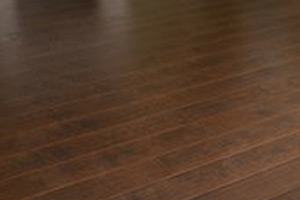
Chicago winters bring bitter cold, gusty wind, and very dry indoor air. That combination makes hardwood a bit restless. When the humidity drops in January and February, boards release moisture and become slightly narrower. By spring, they usually gain that moisture back and look snug again. If your hardwood floors in Chicago are showing hairline gaps or squeaks right now, it is often the season talking.
If the finish looks dull or traffic lanes near the entry are showing wear after months of boots, salt, and slush, a professional refresh can stabilize appearance and help the wood handle the remainder of winter. Many homeowners schedule a midwinter touch-up or full hardwood refinishing service so floors are ready for spring gatherings.
Why Hardwood Floors Move In A Chicago Winter
Hardwood is hygroscopic, which means it adjusts to the moisture in the air. In December through February, forced-air heating and frequent door openings reduce indoor humidity across neighborhoods like Lincoln Park, Lakeview, and Edison Park. The planks respond by shrinking a little across their width. Wider boards show this more than narrower ones, and older radiators or high-velocity HVAC can speed up the change.
Expansion, Contraction, And Seasonal Gaps
Seasonal movement happens slowly. Small gaps that appear in late January often close in late April as lakefront humidity rises. Gaps that appear in winter usually close in spring. Consistent indoor conditions help the boards move as a team, so the floor looks uniform rather than patchy.
Finish Wear From Salt And Meltwater
Entry zones in West Loop condos or bungalow mudrooms in Norwood Park see the brunt of winter wear. Rock salt and de-icers are abrasive. Meltwater can seep between boards and stress the finish. Over time this shows as cloudy patches, micro-scratches, or light cupping near doors.
What Winter Does To Chicago Hardwood Floors
- Short, dry spells lead to hairline gaps between boards and occasional squeaks on high-traffic runs.
- Cold snaps followed by thaw cycles increase door traffic, which tracks in residue that scuffs the finish.
- Space heaters and fireplaces can over-dry nearby boards, creating uneven movement compared with the rest of the room.
In homes from Hyde Park to Portage Park, these effects are normal signs of the season. The goal is not to stop movement completely. The goal is a stable range so the floor settles back evenly when Chicago humidity returns.
Professional Ways To Keep Floors Stable Through February
Control Indoor Conditions Without Overdoing It
Balanced humidity is the backbone of winter floor health. Most wood floors are happiest around a mid-range indoor humidity through the season. Whole-home systems paired with steady thermostat settings reduce sudden swings. Avoid over-humidifying rooms with portable units that can leave damp spots on or under rugs.
Strengthen High-Traffic Zones
Professionals often focus on entry lanes, kitchen work triangles, and hallway intersections. Protective strategies here cut down on abrasion and moisture intrusion that lead to premature refinishing. If the finish is wearing thin near exterior doors, a maintenance coat helps seal the surface until spring. When wear is widespread, a complete hardwood floor refinishing gives the wood a uniform shield again.
How To Read The Signs In Your Home
- Lines between boards that open in late winter then tighten when the windows start to fog lightly in spring are seasonal gaps.
- Edges that feel slightly higher than the center of the board may be cupping from moisture exposure near entries.
- Persistent cracks that do not close by early summer, or a few boards that stay raised, suggest a localized issue that a pro should inspect.
Salt and meltwater can scratch and stain if they sit on the finish. Entry areas in Wicker Park walk-ups or Logan Square flats see concentrated traffic. That is where a professional will look first for stress and recommend spot repairs, cleaning, or buff and recoat to protect the surrounding rooms.
Neighborhood Factors That Matter In Chicago
Lakefront Condos And High-Rises
Wind exposure and stack effect can dry air faster on upper floors from Streeterville to South Loop. Doors open to balconies bring in bursts of cold, dry air that accelerate movement near thresholds. Routine checks in those zones help keep conditions even with interior rooms.
Bungalows, Greystones, And Additions
Classic bungalows in Jefferson Park and brick greystones in Uptown often have mixed HVAC and insulation from old and new additions. That can split a floor into different climate pockets. A pro can assess airflow and recommend ways to even out the environment so boards move together.
Engineered Versus Solid: Winter Behavior In Chicago Homes
Engineered planks are constructed in layers that resist movement more than solid boards. In River North renovations or garden-level rehabs where space is tight and traffic is heavy, engineered hardwood can be a practical choice. Solid oak or maple shines in older homes with stable indoor conditions and proper subfloor preparation.
If you are planning updates for spring, you can compare installation, refinishing, and maintenance paths across materials. For a quick overview of categories and options, review our flooring services in Chicago to see what fits your space and lifestyle.
When Seasonal Movement Becomes A Red Flag
Most winter changes smooth out on their own. There are a few times when it makes sense to bring in a specialist sooner rather than later:
Call early if boards cup or stay gapped as the weather warms, if gaps collect debris and do not tighten by late spring, or if the finish wears down to bare wood in traffic lanes. Addressing problems now reduces the chance of cracked boards, noisy seams, or dirt embedding in open joints.
Why Choose Us For Winter Floor Care
Local Experience Across City Homes
From vintage two-flats in Avondale to new builds in West Town, our team understands how Chicago’s winter affects each home type. We look beyond the surface to consider airflow, sun exposure, and entry patterns so your wood stays stable. If a buff and recoat will do the job, we will recommend that. If a deeper refresh is smarter, we will explain why.
Refinishing That Protects And Beautifies
A professional refinish restores clarity, seals micro-scratches, and creates a consistent sheen that is easier to clean during the slushy season. If you are weighing a winter or early spring project, our crew can help you time the work so the floor acclimates gently as the weather shifts.
More Tips on Uncategorized