




Dustless Hardwood Sanding vs Traditional Refinishing in Chicago Homes
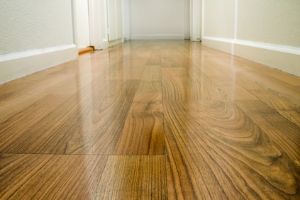
Thinking about dustless hardwood floor refinishing in Chicago? You are not alone. Many homeowners want a cleaner process that fits family life without weeks of cleanup. Below, we break down how dustless sanding compares with traditional refinishing, when each method shines, and how we help you choose. If you are ready to refresh your floors, explore our hardwood floor refinishing in chicago options to see what fits your home.
What Dustless Hardwood Sanding Means In Chicago
Dustless sanding uses specialized sanders connected to high-efficiency vacuums that capture most sanding dust at the source. Instead of heavy clouds settling across rooms, the dust is pulled through sealed hoses into a collection system. That means less plastic sheeting, fewer hours of cleanup, and a work site that feels calmer during the project.
In neighborhoods like Lincoln Square, Lakeview, and Portage Park, homes often blend open rooms with tight stairways. Dustless equipment reduces the fine particles that try to drift into every corner. The result is a tidier job site and a smoother handoff to finishing coats because less dust settles on the wet finish.
- cleaner rooms and faster post-project cleanup
- less dust migrating into vents, cabinets, and closets
- better conditions for a smooth finish coat
- friendlier for busy households on tight schedules
Allergy-sensitive households often prefer dustless sanding. Less airborne dust can make the process more comfortable for everyone at home while work is underway.
Traditional Refinishing: When It Still Makes Sense
Traditional refinishing relies on stand-alone sanders and portable vacuums that do not capture as much dust. With the right pro, the results can still be beautiful. It may be the better fit when floors need deeper leveling, have heavy wax buildup, or require extensive repair before a new finish.
Your crew will still protect the home with plastic containment, door zipper walls, and floor protection. Expect more surface dust and a longer cleanup period once sanding wraps up.
What A Typical Refinishing Process Includes
- site prep and protection of adjacent rooms
- multiple sanding passes to remove old finish and smooth the surface
- repairs, filling, and edge detail work
- stain application if a color change is desired
- multiple finish coats with proper dry time between coats
Some Chicago homes, especially older bungalows and greystones, may have uneven subfloors or past repairs. Traditional methods can provide the flexibility needed for heavier correction before finishing.
Side-by-Side Comparison: Cleanliness, Time, And Finish Quality
Cleanliness And Containment
Dustless sanding contains most airborne dust, so less settles on baseboards, window sills, and inside vents. Traditional refinishing releases more particles, which often means more taping, more plastic, and more cleanup afterward.
Time In The Home
With dustless sanding, families typically spend less time cleaning before moving furniture back. Traditional refinishing may require extra days for dusting, vacuuming, and wiping down surfaces after the crew leaves. Plan for limited foot traffic while finishes cure, no matter which method you choose.
Finish Quality And Appearance
Both methods can deliver a durable, attractive finish when handled by experienced pros. Cleaner air during coating helps reduce tiny particles that could settle on the wet surface. Traditional methods require stricter room isolation to create that same clean-air window.
Project Fit
Dustless sanding is excellent for active households, condos with shared hallways, or projects where fast cleanup matters. Traditional refinishing can be the right pick for heavy restoration or complex repair work where different tools or steps are needed.
Chicago Home Realities: Condos, Bungalows, And Lakefront Humidity
City living adds a few wrinkles. High-rises along the lake often have elevator reservations and quiet hours. Crews plan material moves and finish schedules around building guidelines so neighbors are not disturbed. In vintage two-flats and bungalows across Irving Park or West Ridge, narrow stairs and smaller rooms reward a dustless approach that keeps particles from drifting into upper levels.
Chicago’s weather also plays a role. Winter heat dries the air, and summer can be humid, especially near the lake. A seasoned flooring team times sanding and coating so the environment stays stable while finishes dry. Ask about odor and ventilation during finish application so the space feels comfortable for your family.
Families First: How To Prepare For A Smoother Project
Start with a short walkthrough so everyone knows which rooms are off-limits and when. Mark a simple path from the front door to the work area, and clear small items that are easy to knock over. Keep pets and kids away from the work area while sanding and finishing are in progress.
Many Chicago families stage projects around school calendars or long weekends. If you work from home, plan calls away from the sanding window. If you are sensitive to smells, talk with your contractor about finish choices and airflow so the space airs out comfortably before you return furniture.
Finish Choices: What To Consider
There are several quality finishes available today. Water-based options tend to dry with a clearer look, while oil-based options deepen warms tones. Sheen levels range from matte to gloss. Your lifestyle and lighting help guide the choice.
Oil-based finishes may amber over time while water-based finishes stay clearer. Either path can be durable when applied correctly and maintained with the right cleaning routine.
When Dustless Sanding Is The Better Fit
Households with asthma or allergy concerns, or homes where you want to reduce the spread of dust into built-in cabinets, typically prefer dustless sanding. If you need to keep one half of the home active while the other half is being refinished, dustless setup can help the project feel less disruptive.
Condos in neighborhoods like West Loop or Uptown often benefit from less hallway dust and easier cleanup around door thresholds. Townhomes with tight stairwells also appreciate fewer particles trying to float into bedrooms and baths.
When Traditional Refinishing May Be Smarter
If your floors show deep cupping, heavy scratches, or old finish layers that require aggressive removal, a traditional setup may allow more flexibility with tools and sequences. In some restorations, that approach helps the crew reach a flat, consistent surface before staining and coating.
Unsure which way to go? A short site visit tells the story quickly. Pros look at board width, species, previous coatings, and subfloor stability before recommending a plan.
Linking Your Project To Long-Term Plans
If you are planning a remodel in a few months, talk about timing so your floors are protected during other trades. Some homeowners choose a maintenance coat now and a full refinish after cabinet or wall work is complete. Others decide it is the right moment to explore hardwood installation for a different look and long-term durability.
More Tips on Hardwood Refinishing